
Researchers at Ghent University (UGent) are looking for people that have discovered that they are pregnant, are ill or have some other issue that has a big impact on their lives thanks to their pets. The call comes following an interview in the VRT podcast ‘Het Uur van de Waarheid’ (The Hour of Truth)
Ghent University seeks “miraculous stories’ about pet owners that have discovered that they are ill or pregnant thanks to their cat, dog or horse
Published:
UGent’s Gaëlla van Walraven says that “There is hardly any scientific research on anecdotes of this nature and that's why we want to collect stories about dogs, cats and horses”.
Can a dog really notice when its owner has cancer? Does your cat know faster than you that you are pregnant? A couple of weeks ago professor Anouck Haverbeke of the department of animal behaviour at UGent discussed stories like these in the VRT Podcast ‘Het Uur van de Waarheid’. Despite the many anecdotes, professor Haverbeke said then that hardly any research on whether animals can really sense whether their owner is pregnant or is ill.
This is about to change though and Gaëlla van Walraven of UGent's Clinical Behavoiral Team told VRT News that “After the interview, we received stories about pets from all over the place. One example is a woman that suddenly noticed that her dog was no longer jumping up against her body. This is how she discovered that she was pregnant. There is also the dog that kept sniffing a little boy's ear. The little boy had a benign tumour in his ear”. The researchers realise that these are valuable stories containing information that they do not wish to lose.
Fill in the online survey
Consequently, Ugent’s Department of Animal Behaviour has decided to launch a large-scale appeal for pet-related stories. “Anyone that has a remarkable story about their cat, dog or horse can report it to us via our website" Qualtrics Survey | Qualtrics Experience Management.
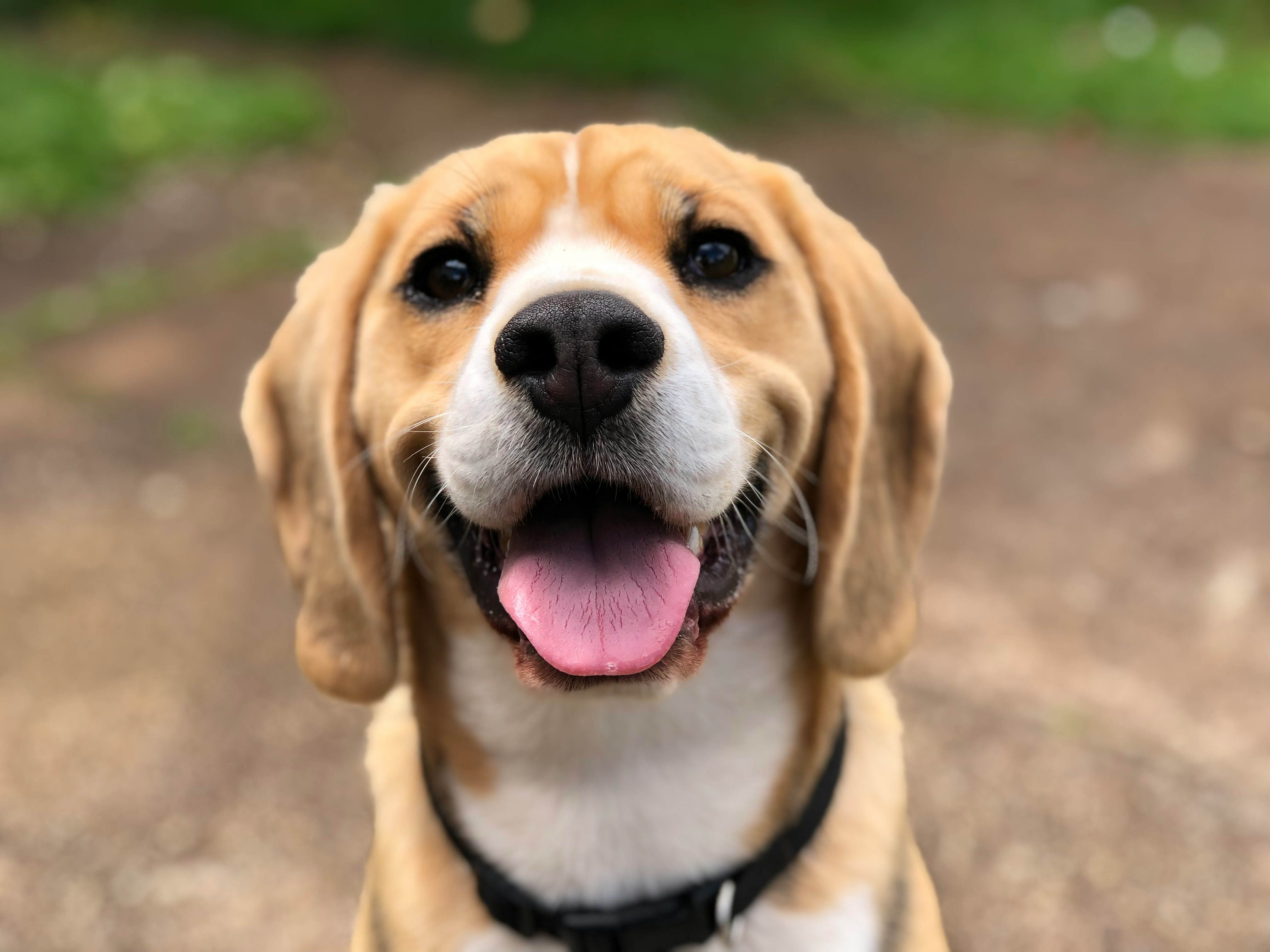
“This concerns changes in your pet’s behaviour that latter transpired to be related to a health issue oir pregnancy”
The stories will be collected in a database. ‘Through that survey, we will first collect all the stories, then we can investigate whether there is a pattern or a relationship between them”, Gaëlla van Walraven concludes.